


Lessons from Red Flag: How High-Pressure Situations Elevate Performance

Leading When You Don’t Have the Answers (Part 2)
What separates leaders who simply manage uncertainty from those who truly lead through it comes down to behavior and execution: how they respond to mistakes, how they make decisions, and how they show up under pressure. From learning openly through failure to resisting the pull of the 'Value Valley,' this article offers a practical and honest roadmap for leading with courage, humility, and vision when the path forward is anything but certain.
Leading When You Don’t Have the Answers (Part 1)
There are moments in leadership when the truth is simple: we don’t know what we don’t know. The situation is uncertain, the path forward is unclear, and yet the team is looking to us for direction. In those moments, leadership is not about having every answer. It’s about how we show up even when we don’t have a clear answer.
Leadership Begins Within

Positions of leadership often ask us to focus outward – to support the needs of others, set goals for the team, and deliver results for the organization. But, there is one prerequisite for successful leadership that necessitates an internal look: the skill of self-leadership. Our responsibility as leaders requires clarity, purpose, and intentionality for the team, but to lead others effectively, we must first learn to lead ourselves.
Delivering Feedback that Gets Results

Feedback. Many supervisors dread giving it, and even more direct reports dread receiving it. We want to want feedback, but we can’t always shake the sinking feeling in our stomachs or the sense that we’re being personally attacked. Most supervisors want to help their direct reports grow and improve, but have never been taught how to deliver feedback that uplifts rather than demoralizes.
The Wooden Nickel: Who Do You Need To Thank?
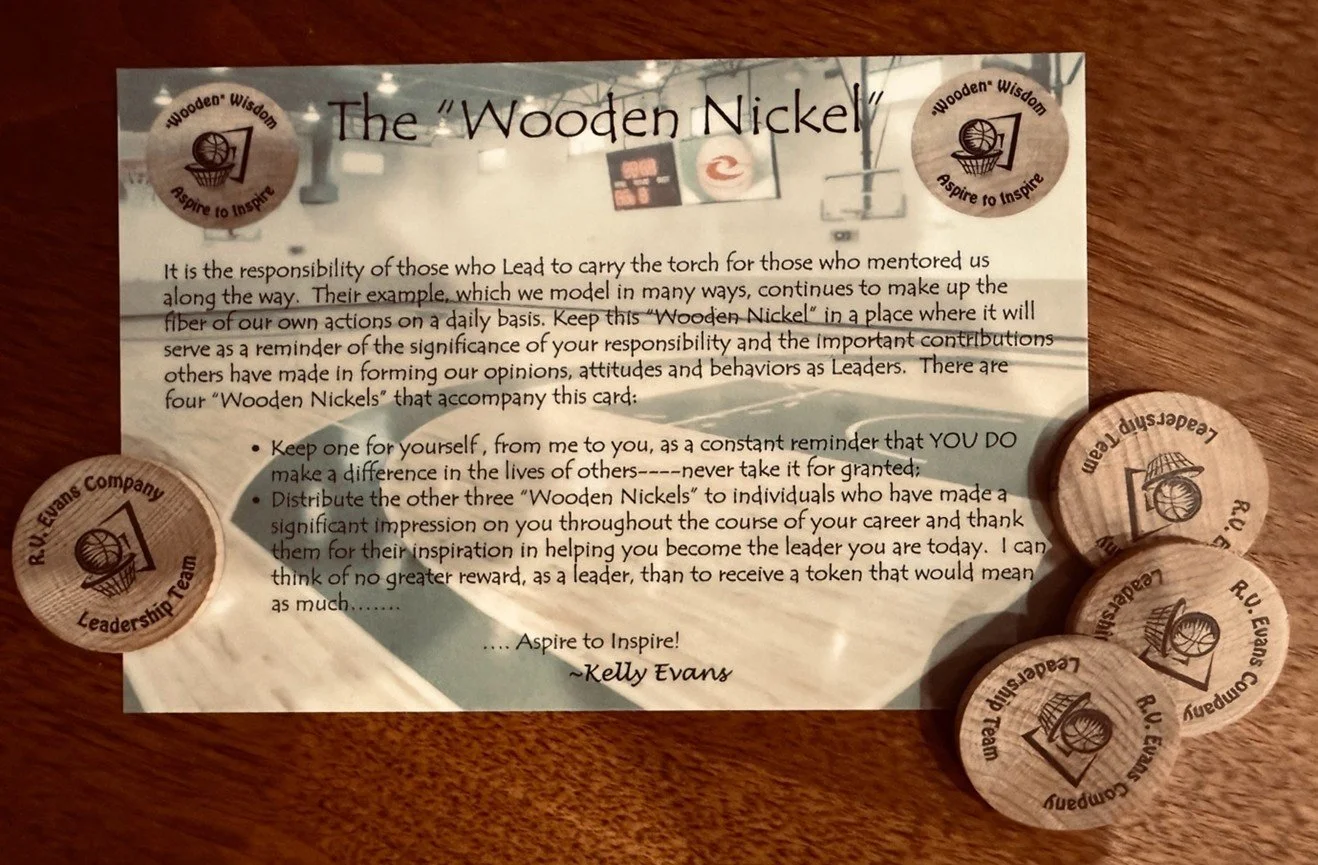
What if one small token could remind a leader of their greatest responsibility? During my tenure as CEO, I challenged our senior leaders to do something simple but profound — to pause, reflect, and intentionally thank those who helped shape them into the leaders they had become. Read on to discover the story behind the Wooden Nickel and ask yourself: Who do you need to thank?
Miscommunication: What Leaders Need to Know (Part 2)

As a leader, words, actions, and even silence carry weight. Your team will scrutinize everything you say and how you say it. Understanding the root causes of miscommunication and addressing them proactively is a skill separating effective leaders from the rest. The second part of this series will focus on internal communication breakdowns - examining how personal barriers, unchecked assumptions, and unintentional listening habits shape what is heard, interpreted, and acted upon.
Miscommunication: What Leaders Need to Know (Part 1)

As a leader, words, actions, and even silence carry weight. Your team will scrutinize everything you say and how you say it. Understanding the root causes of miscommunication and addressing them proactively is a skill separating effective leaders from the rest. The first part of this series will focus on external communication breakdowns - what is being conveyed and how it is delivered.
From Inbox to Insight: Leading through One-on-One Conversations

Ceaseless meetings, the era of a distributed workforce, and the task saturation of leaders have driven an overreliance on email as the first step in building relationships. While email is a good tool for broadcasting information and quick collaboration, it is not a relationship building tool. In this article, we’ll explore how stepping away from email and instead, implementing and sustaining recurring one-on-one meetings will create the clarity, alignment, and collaboration required to deliver meaningful outcomes.
Strategy Implementation: Attribute Three - Accountability Mechanism and Process
Successful strategy execution requires a well-defined accountability mechanism composed of three interconnected elements: people, process and leadership oversight. Together, these elements create a disciplined system that drives follow-through, maintains focus, and ensures that strategic objectives are translated into measurable results.
Strategy Implementation: Attribute Two - Coaching the Implementation Team
Strategies rarely fail because the vision is flawed; more often, they fail because employees lack the guidance, skill development, and confidence needed to execute effectively. When implementing a strategy, key members of the team must receive dedicated coaching and support from both subject-matter and technical experts.
Strategy Implementation: Attribute One - Senior Leader Champion

Strategy Implementation: Turning Plans into Action - Three Key Attributes for Success

I have seen many well-intentioned organizations draft catchy vision statements, spend significant energy developing a strategy, and then fall flat in execution after the strategic masterpiece is unveiled. A well-crafted strategy is only as strong as its execution. While organizations invest significant time and resources in designing strategies, many fall short when it comes to implementation. Strategy implementation is the critical bridge between planning and results—it ensures that intentions are translated into measurable performance.
Have you ever described someone as “passionate” when what you really meant was “stubborn”?

A Leader's Dilemma: A Conversation On/With Artificial Intelligence

I wanted to get a better understanding of Artificial Intelligence (AI) and how it could potentially improve my leadership, so I decided to engage ChatGPT in a conversation on the topic. I started out with an easy one: “how can I improve my leadership?” As suspected, a laundry list of ideas with well-articulated statements streamed down my screen. However…
What No One Tells You About Leading Others

Are You Fit To Lead?

Studies have repeatedly shown that regular exercise is positively correlated with high scores on leadership assessments (1). It has been shown that individuals who allocate time for regular physical activity into their daily life have a greater capacity to achieve goals. If you need more proof type “statistics on CEOs and physical fitness” into your search engine and you’ll have ample evidence that leadership and fitness are intertwined. So, what’s the connection? With all the time constraints placed on a leader, is it worth the effort?
Unlocking Your Team’s Superpower: Part Two

The key to unlocking your team’s superpower is showing them what it looks like to take the armor off, share your vulnerabilities, and work together to overcome each other’s blind spots. Telling your teammates they can be vulnerable and showing them what it looks like are two very different things. Your actions are more powerful than any words you can share, and your consistency will build the kind of trust that winning teams are made of.
