


Leading When You Don’t Have the Answers (Part 2)
What separates leaders who simply manage uncertainty from those who truly lead through it comes down to behavior and execution: how they respond to mistakes, how they make decisions, and how they show up under pressure. From learning openly through failure to resisting the pull of the 'Value Valley,' this article offers a practical and honest roadmap for leading with courage, humility, and vision when the path forward is anything but certain.
Leading When You Don’t Have the Answers (Part 1)
There are moments in leadership when the truth is simple: we don’t know what we don’t know. The situation is uncertain, the path forward is unclear, and yet the team is looking to us for direction. In those moments, leadership is not about having every answer. It’s about how we show up even when we don’t have a clear answer.
Leadership Begins Within
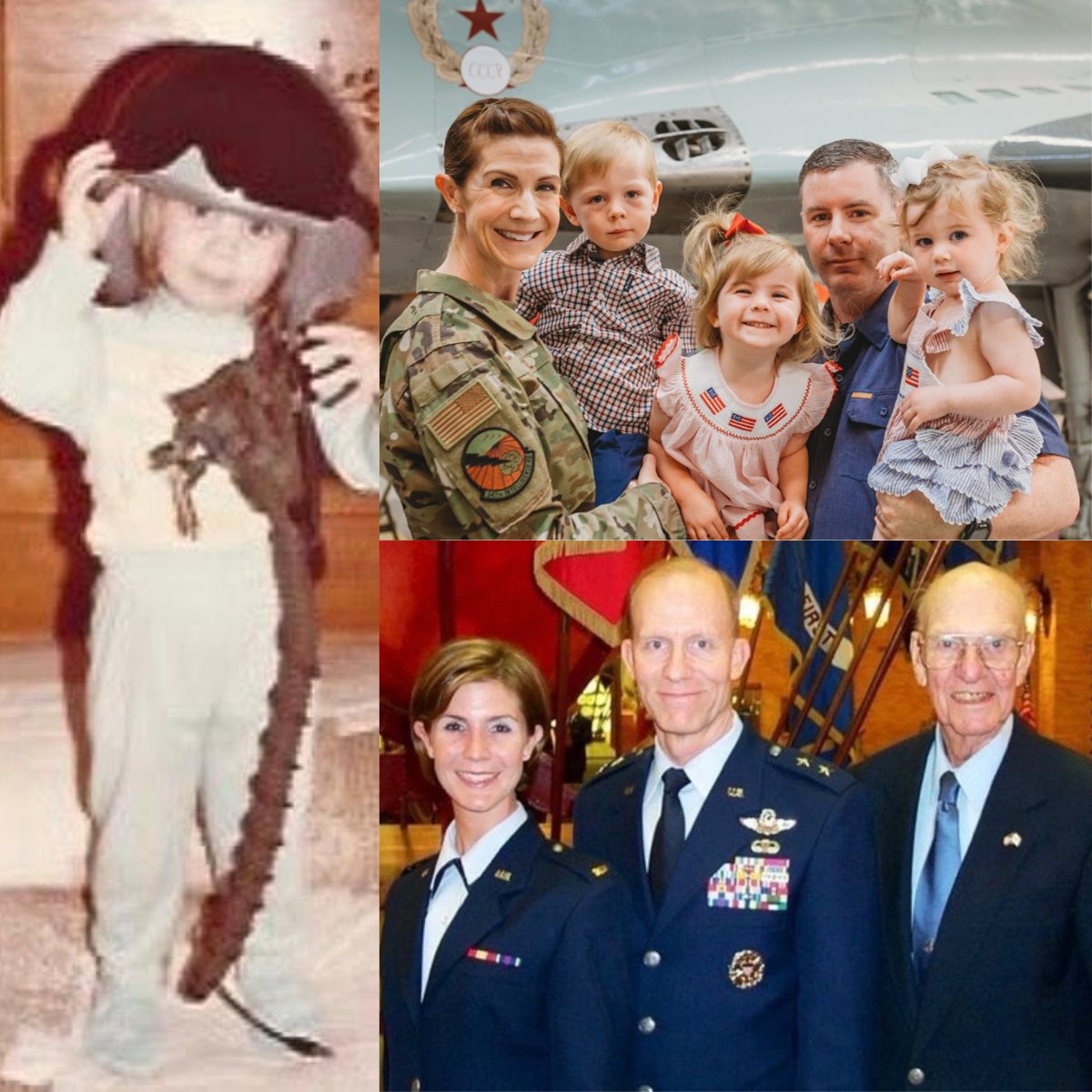
Positions of leadership often ask us to focus outward – to support the needs of others, set goals for the team, and deliver results for the organization. But, there is one prerequisite for successful leadership that necessitates an internal look: the skill of self-leadership. Our responsibility as leaders requires clarity, purpose, and intentionality for the team, but to lead others effectively, we must first learn to lead ourselves.
The Wooden Nickel: Who Do You Need To Thank?
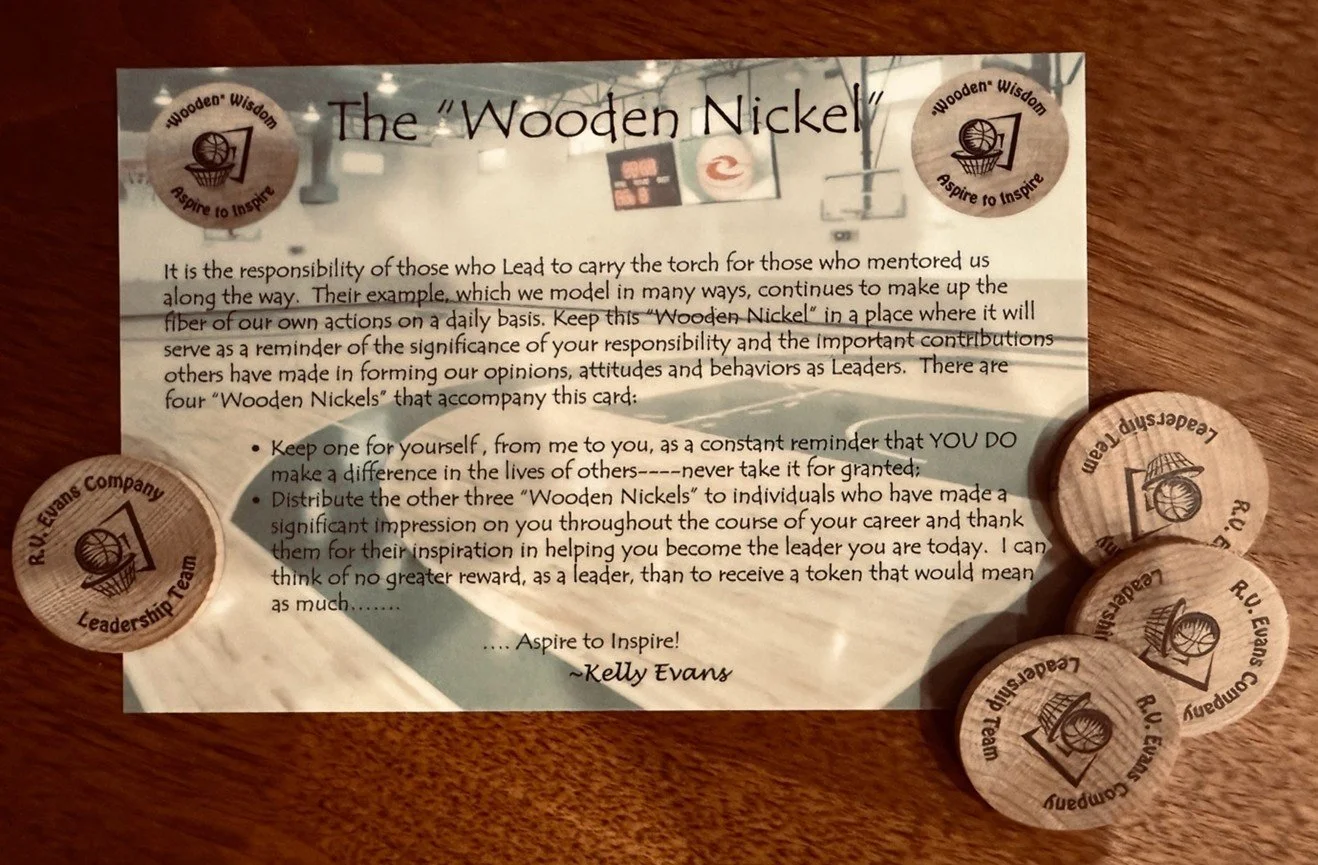
What if one small token could remind a leader of their greatest responsibility? During my tenure as CEO, I challenged our senior leaders to do something simple but profound — to pause, reflect, and intentionally thank those who helped shape them into the leaders they had become. Read on to discover the story behind the Wooden Nickel and ask yourself: Who do you need to thank?
Miscommunication: What Leaders Need to Know (Part 2)

As a leader, words, actions, and even silence carry weight. Your team will scrutinize everything you say and how you say it. Understanding the root causes of miscommunication and addressing them proactively is a skill separating effective leaders from the rest. The second part of this series will focus on internal communication breakdowns - examining how personal barriers, unchecked assumptions, and unintentional listening habits shape what is heard, interpreted, and acted upon.
Miscommunication: What Leaders Need to Know (Part 1)

As a leader, words, actions, and even silence carry weight. Your team will scrutinize everything you say and how you say it. Understanding the root causes of miscommunication and addressing them proactively is a skill separating effective leaders from the rest. The first part of this series will focus on external communication breakdowns - what is being conveyed and how it is delivered.
Have you ever described someone as “passionate” when what you really meant was “stubborn”?

Unlocking Your Team’s Superpower: Part One

We often wear masks and armor to protect the people around us: our families, our friends, our teammates, and more than anything, the people we are charged to lead. We think our masks protect the people around us from the things we see as vulnerabilities: fear, anger, disappointment, overwhelm, uncertainty. If we show them our fear, they will be scared too. If we show them our uncertainty, they will lose hope. If we show them our weakness, they will lose trust and faith in our leadership. This is what we tell ourselves when we put the armor on.
People do care about what their leaders are reading.

The statement, “Leaders Are Readers,” as others point out, has become ubiquitous on social media platforms like LinkedIn. Whether or not people who share that sentiment know of President Truman’s quote doesn’t diminish what he meant by saying it. Some people do innately possess powerful leadership attributes and abilities, most do not. Leadership is learned, and anyone, in my experience, can become better leaders through educating themselves.
Are you in the trenches or the weeds?
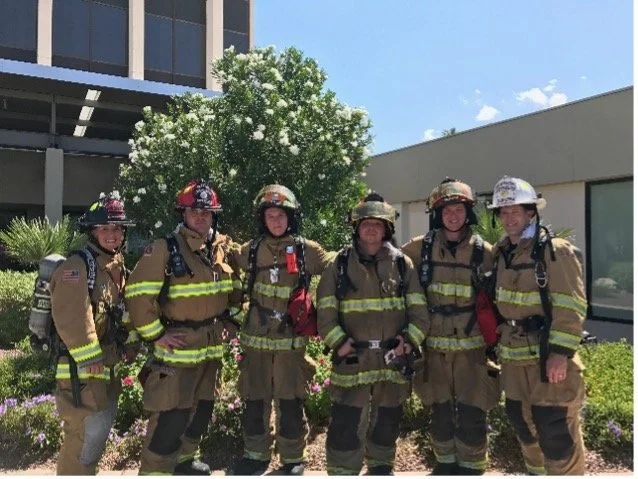
As many sectors of the economy were forced to telework or adopt some sort of alternate/hybrid schedule, resumed more in-person work following COVID, many workers were welcoming the return of face-to-face camaraderie and collaboration. Leaders were excited to be physically back with their teams, leaving the Zoom gallery behind. The immediate reaction was a rebound of sorts, striving to make up for lost time with maximum in-person engagement.
