So there I was… it's RED FLAG.
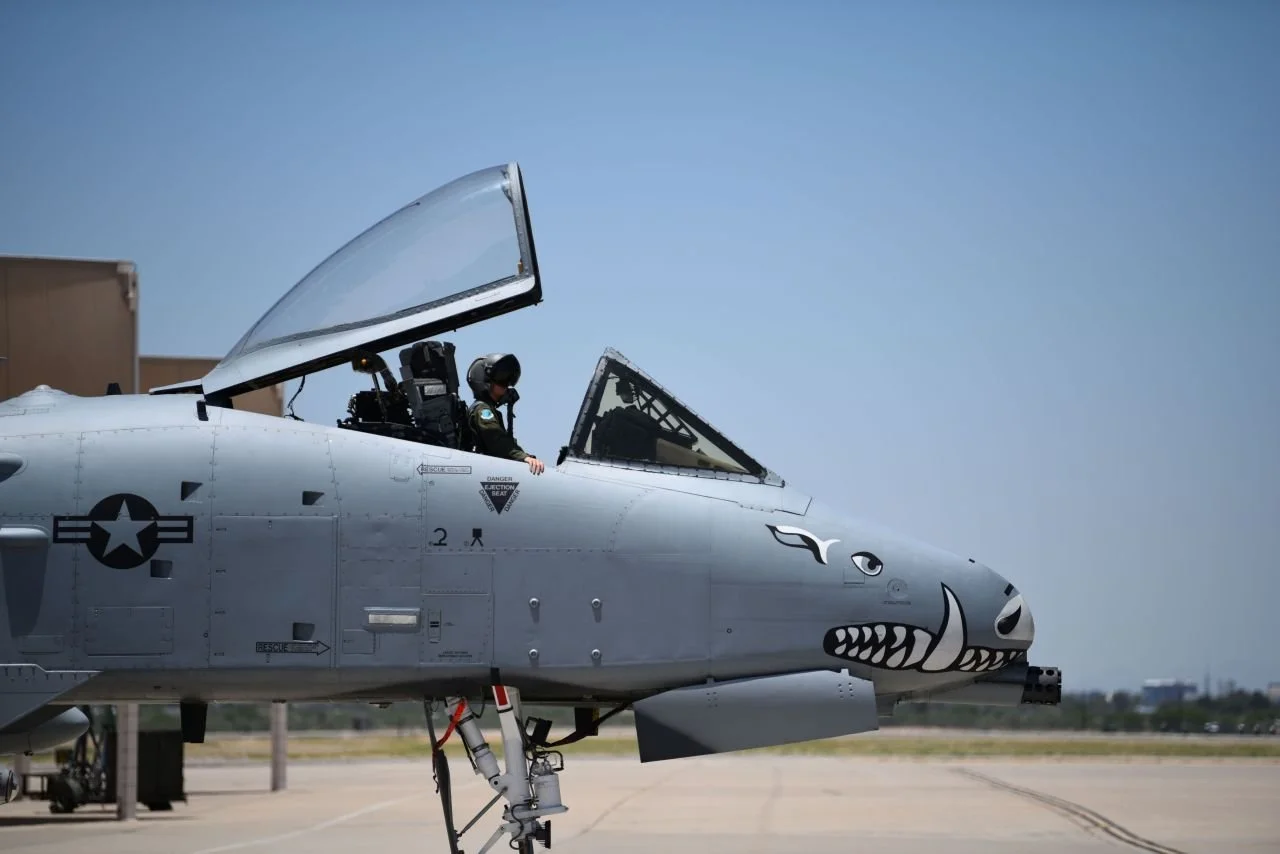
I'm leading a four-ship of A-10s across the invisible but meaningful push line into what we're simulating as enemy territory.
RED FLAG is the Air Force's premier aerial combat training exercise. It was created after Vietnam, when we learned that if a pilot could survive their first ten combat missions, their probability of survival increased dramatically. So, we train those first ten missions before we ever go to battle.
The expectation is simple: we push each other to execute at the highest possible level. Everyone is expected to perform at their best, and the pressure to perform is high.
We descend down low to merely 100 feet above the ground to avoid enemy threats, hiding behind the terrain and reducing the possibility of being detected by both enemy ground and air threats. By following our tactics, we make it to the target area undetected.
At the last possible moment, we climb above the terrain to deliver on enemy compound. As we maneuver out of the area post-attack, I hear the high-pitched tones in my helmet telling me an enemy missile is tracking me. The tone is unmistakable.
I maneuver hard to get away from the threat while simultaneously dispensing chaff and flares — countermeasures used by aircraft to help evade a missile attack. I dive back down to just 100 feet above the rocky Nevada terrain in a last-ditch attempt to again hide from the enemy threat systems.
For a few seconds, everything compresses . . . altitude, airspeed, terrain, threat.
Then the tone disappears. I evade the threat.
My wingmen follow behind me, working hard to escape the enemy threat as well. We deliver our ordnance on target and make it home safely. The mission is a success.
But like every mission, we have several learning points along the way. We are not flawless, and we are always looking for ways to improve. That's when my real job as a leader begins.
Even in Success, We Debrief
It is my responsibility to lead the debrief, derive the key lessons learned for every member of my team and to ask the hard questions.
Did we meet our mission objectives?
Where could we have done better in our execution?
Did we accept more risk than we needed?
Did we make errors we needed to fix?
What was the root cause of those mistakes?
What are the critical learning points we need to carry forward?
Even in the midst of success, we analyze our performance. For an experience to be meaningful and purposeful, leaders must take the time to evaluate it. That's how we elevate performance.
Considerations for Leaders
In business, it's easy to move on after a win. The project launched. The numbers were met. The client was satisfied.
But, if you want your projects, initiatives, and events to be meaningful and purposeful, you have to build in time to analyze them — especially when they appear successful.
Here are a few considerations:
1. Debrief the wins, not just the failures. It's easy to dissect what went wrong. It takes discipline to look at a successful outcome and still ask, "Where could we have been better?"
2. Ask the hard questions.
Did we meet our objectives?
What went well?
What could we do better?
What lessons will we carry forward?
3. Make improvement the expectation. In fighter aviation, we assume there's something we can do better the next time. Over time, those lessons compound and performance rises. What if your team adopted the same standard?
4. Share the lessons. The goal is not individual excellence. It is collective performance. When you share what you learned, you lift the entire team.
Success is not the end of the conversation. For leaders, it is where the real work begins.
Authored By: Kim Campbell, Director
#VictoryStrategies #Leadership #Execution #Debrief #Reflection #Performance