A failed missile test during a major technology upgrade taught me that the hardest part of change is rarely the technology — it's the people navigating it.
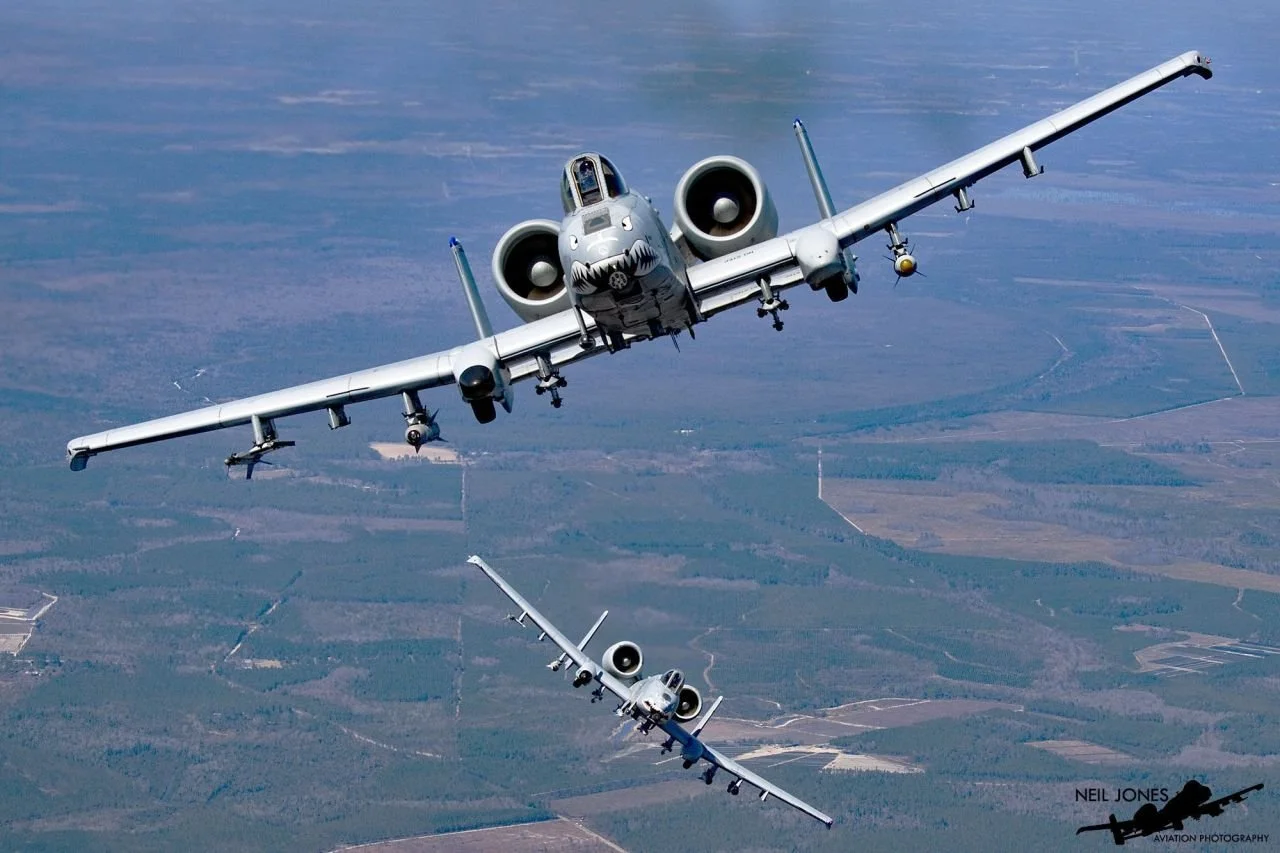
So there I was… sitting in an A-10 over the coast of Florida with a missile locked onto a full-size drone target.
It was a beautiful blue-sky day. Everything looked good.
"Ready, ready, Fox" — the call that means I've hit the button to fire.
Nothing happened. The missile didn't launch. It just sat there on the rail.
After years of work upgrading the A-10 to an entirely new generation of software, our system failed during a live test.
All the planning. All the people. All the money. All the anticipation.
And nothing happened. Back to the drawing board.
If you've ever watched a product launch stall on day one, or a long-awaited system go-live crash after months of preparation, you know exactly how that cockpit felt. Everything works in the plan, but when the real moment arrives — it doesn't.
At the time, the Air Force was moving the A-10 from 1970s-era technology into a completely new world of precision systems and digital capabilities. I often describe it as the difference between a rotary phone and a smartphone.
What we were doing before worked. We were experts at it. We trusted it.
And now we were being asked to change.
The Hardest Part Isn't the Technology
That transition taught me something important about leadership during periods of technological disruption: the hardest part usually isn't the technology. It's helping people navigate the uncertainty that comes with it.
That feels especially relevant right now as organizations wrestle with artificial intelligence.
Some people are excited about AI. Others are skeptical. Some are quietly worried about being left behind. And many teams are asking the same question we asked in the cockpit during the A-10 transition: "If what we're doing already works . . . why change?"
That's where leadership matters most.
"If It Already Works… Why Change?"
As we made the transition to A-10C, our younger pilots often adapted quickly. They had grown up with newer technology and video games, and they were comfortable experimenting with new systems.
For some of the more experienced pilots, the transition was harder. Not because they weren't capable, but because they had already mastered the older systems. They had built years of confidence and expertise operating a certain way.
That dynamic exists in many organizations today. Some employees naturally embrace
new technology. Meanwhile, some of your most tenured, most trusted experts — the people who built their reputation on their knowledge of the old system — may feel frustrated, overwhelmed, or hesitant to trust it.
Good leaders recognize that resistance is not always laziness or negativity. Sometimes it's uncertainty. Sometimes it's fear of losing competence in an area where someone has spent years building mastery.
That's why leaders cannot simply announce change. They have to explain the why behind it.
In the A-10 community, we eventually gained traction because pilots understood the purpose behind the upgrade. The new technology made us more precise, more effective, and ultimately better able to protect and support the people counting on us. The purpose was never the technology. It was the people we served.
The mission stayed the same. The tools to better accomplish the mission evolved.
That's the distinction that matters for any organization adopting AI. AI should not replace critical thinking, leadership, relationships, or accountability. But it can help your team become more efficient, more informed, and more effective, if leaders introduce it thoughtfully.
Change Requires Trust
The transition also requires trust.
During the upgrade, we made mistakes. We tested ideas that failed. Sometimes we took a step backward before we found a better solution.
This is where a lot of organizations quietly sabotage their own change efforts. If leaders punish every failed experiment, people stop experimenting and innovation stalls. But when leaders build a culture of psychological safety, where people can learn, adapt, and improve without fear of failure, teams become far more willing to embrace change.
Eventually, we solved our software problem and the upgrade transformed the way we operated. It made us more precise, more effective, and better equipped for the missions ahead.
But the real breakthrough wasn't the technology. It was the willingness of people across the A-10 community to learn, adapt, and embrace a new way of operating. Today, they continue to do the same as the environment evolves and new challenges emerge.
Technology will continue to evolve. The question is whether leaders will help their teams evolve with it.
The organizations that succeed won't necessarily be the ones with the newest technology. They'll be the ones with leaders who can reduce fear, communicate clearly, build trust, and help people adapt without losing sight of the mission.
Considerations for Leaders
If you want to lead with courage, don't just focus on the technology. Focus on the people navigating the transition.
Explain the "why" behind technological change before focusing on the tools themselves.
Recognize that comfort with technology often varies across generations and experience levels.
Create an environment where people can learn, ask questions, and experiment without fear of embarrassment or punishment.
Reinforce that adopting new technology does not replace the need for leadership, judgment, and human connection.
Remember that resistance to change is often rooted in uncertainty, not unwillingness.
Help your team understand how new technology can improve effectiveness while still preserving the mission and core values of the organization.
Stay focused on continuous learning. The environment will continue to evolve, and leaders must evolve with it.
Authored By: Kim Campbell, Director
#VictoryStrategies #Leadership #Technology #ChangeManagement #Trust #Performance